RIG Rwanda generates clean, sustainable electricity from methane gas and peat resources to supply the national grid and support Rwanda's growing energy needs.
Powering Rwanda's Future
Through its subsidiary Rwanda Energy Company (REC), RIG is at the forefront of electricity generation in Rwanda. By harnessing two abundant natural resources — methane gas from Lake Kivu and peat from the country's extensive bogs — REC contributes to Rwanda's energy security and economic development. These dual energy sources provide a diversified generation portfolio that ensures reliability and reduces dependence on any single fuel type.
Rwanda's electricity demand continues to grow as the country develops its industrial base and expands access to power for its citizens. RIG's electricity production operations are designed to scale with this demand, providing a stable, domestically sourced energy supply that supports national development goals.
Methane Gas Power Generation
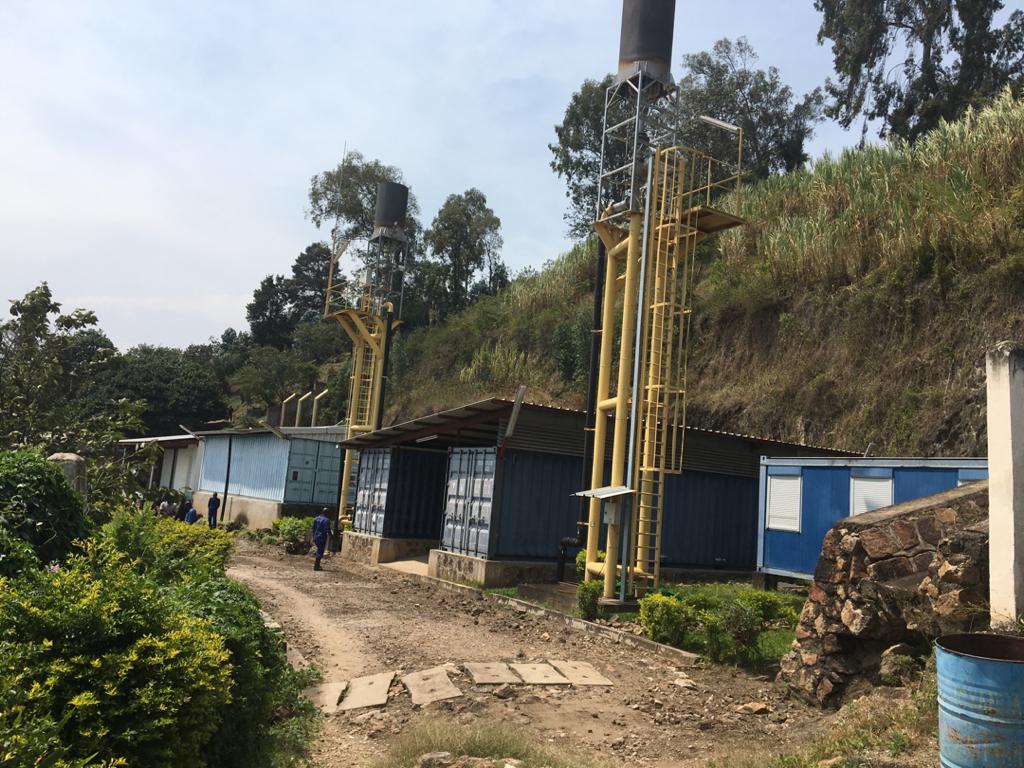
Lake Kivu is one of only three lakes in the world containing dissolved gases in its waters. With approximately 65 billion cubic metres of methane — equivalent to 50 million tonnes of petrol — the lake represents an enormous energy resource. REC develops and manages methane gas extraction infrastructure on Lake Kivu, converting this naturally occurring gas into electricity for the national grid.
The methane extraction process not only generates power but also contributes to the safety of communities living near the lake by reducing the risk of dangerous gas eruptions. This dual benefit makes methane-based power generation a uniquely valuable component of Rwanda's energy strategy.
Peat-Fired Power Generation
Rwanda holds approximately 2.6 billion tons of wet peat reserves distributed across the country. REC harnesses this resource for electricity generation through modern peat-fired power facilities. Peat offers a cost-effective, locally available fuel source that can be sustainably managed to provide reliable baseload power for decades to come.
The company's peat production sites at Gishoma, Mashya, and Rwabusoro supply the fuel needed for these operations, creating an integrated supply chain from extraction through to power delivery.