Lake Kivu is one of only three lakes in the world containing dissolved gases in its waters, with 65 billion cubic metres of methane equivalent to 50 million tonnes of petrol.
Unlocking the Potential of Lake Kivu
The potential of electricity generation from the methane gas of Lake Kivu has been known since the 1930s. Lake Kivu, situated on the western border of Rwanda, holds an extraordinary natural resource beneath its surface. The dissolved methane gas presents a fabulous opportunity for economic development and energy independence for the nation.
Unlike conventional fossil fuel reserves, the methane in Lake Kivu is continuously produced through biological and geological processes. This makes it a unique and partially renewable energy source that, if managed sustainably, can provide Rwanda with reliable power generation for decades to come.
A Strategic Energy Resource
The lake contains approximately 65 billion cubic metres of methane gas, an amount equivalent to roughly 50 million tonnes of petrol. Extracting and converting this methane into electricity has the potential to transform Rwanda's energy landscape, reducing the country's dependence on imported fuels and increasing access to affordable electricity for homes, businesses, and industries across the nation.
The extraction of methane from Lake Kivu also serves a critical safety purpose. The accumulation of dissolved gases in the lake's deep waters poses a potential risk of a limnic eruption, a catastrophic event that could endanger the lives of millions of people living around the lake's shores. By extracting the methane, Rwanda not only generates clean energy but also reduces this environmental hazard.
Rwanda Energy Company's Methane Extraction Efforts
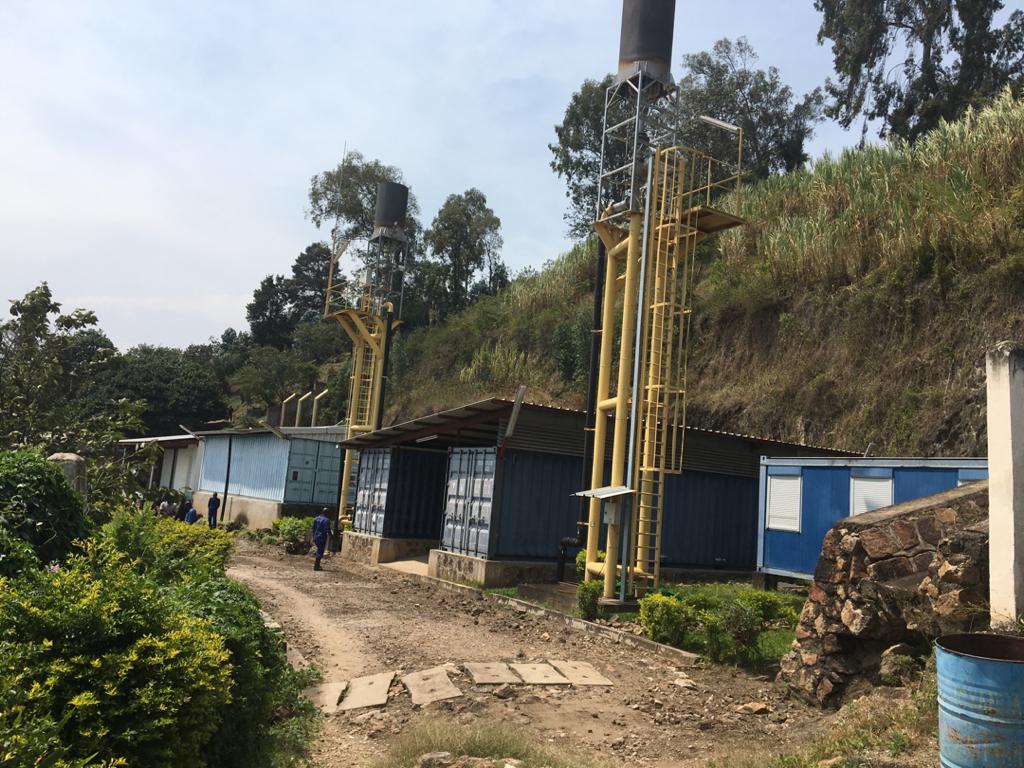
Rwanda Energy Company, a subsidiary of the Rwanda Investment Group (RIG), began methane extraction efforts in 2007. The company has been at the forefront of developing the technology and infrastructure needed to safely and efficiently extract methane from the lake's deep waters. These efforts represent a pioneering approach to harnessing a natural resource that few countries in the world possess.
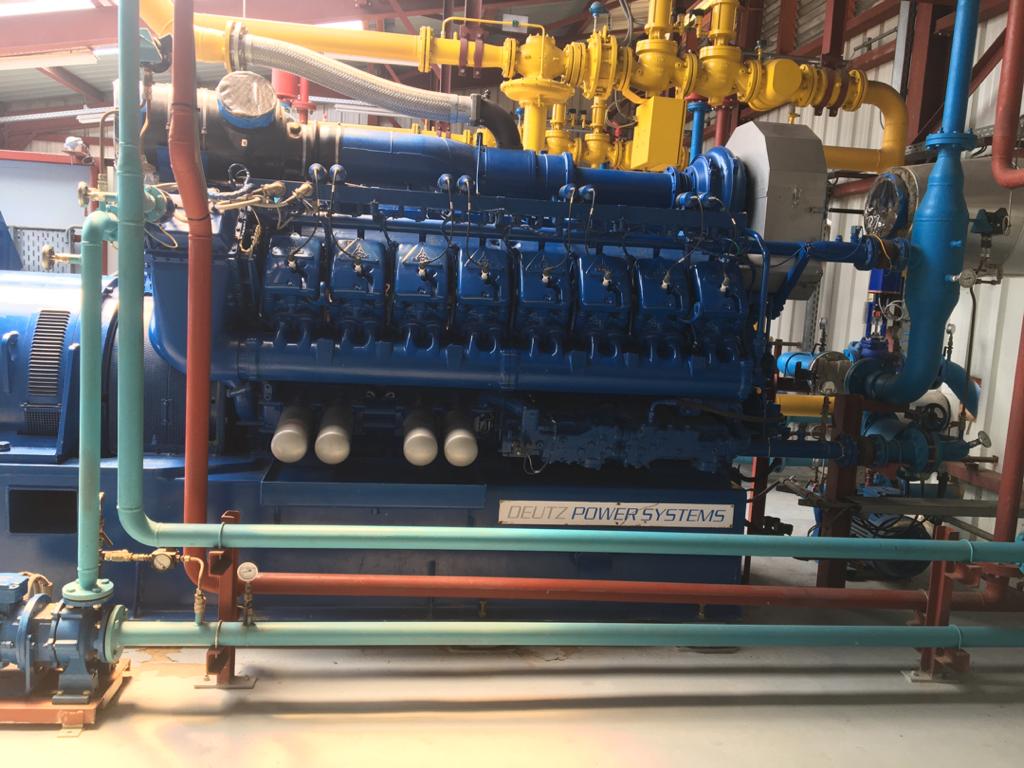
The extraction process involves pumping gas-rich water from the depths of the lake, separating the methane from the water and carbon dioxide, and then using the purified methane to fuel power generation turbines. The degassed water is returned to the lake at an appropriate depth, ensuring environmental sustainability and the long-term viability of the resource.

Impact and Future Outlook
The successful development of Lake Kivu's methane resources holds the promise of significantly boosting Rwanda's electricity generation capacity. As infrastructure scales and technology improves, methane gas extraction is expected to become one of the cornerstone pillars of Rwanda's energy strategy, contributing to the country's ambitious development goals and its transition toward a knowledge-based economy.
Rwanda Investment Group remains committed to investing in the technologies and human capital necessary to make methane gas extraction a sustainable and profitable venture. Through Rwanda Energy Company, RIG continues to drive innovation in this sector, ensuring that Lake Kivu's resources benefit current and future generations of Rwandans.